Swimmer’s Ear, Surfer’s Ear and Why Water Lovers Should Protect Their Ears
Learn the difference between swimmer’s ear and surfer’s ear, and how SurfEars 4.0 can help protect your ears without isolating you from your surroundings.
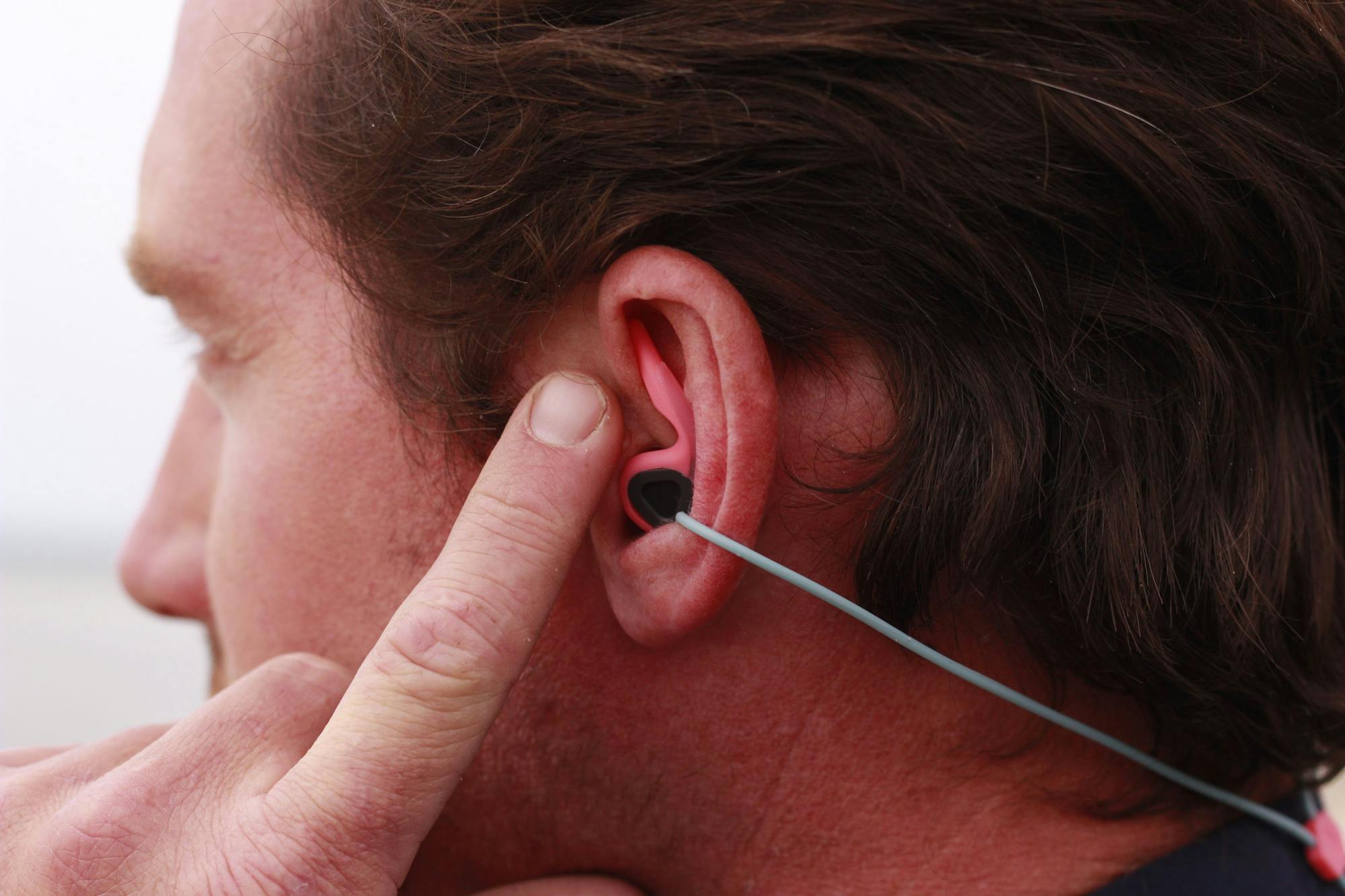
Whether you surf before work, swim several times a week or spend every summer in the sea, being in the water can be a huge part of your lifestyle.
Most people remember their wetsuit, goggles, towel and sunscreen.
Ear protection is often an afterthought.
However, regular exposure to water, and particularly cold water and wind, can lead to uncomfortable and sometimes long-term ear problems.
Two conditions often associated with water sports are swimmer’s ear and surfer’s ear. Despite their similar names, they are not the same thing.
What Is Swimmer’s Ear?
Swimmer’s ear is a common name for otitis externa, an inflammation or infection of the outer ear canal.
It can occur when water remains trapped in the ear after swimming. The damp environment can irritate the skin and make it easier for bacteria or fungi to grow.
Despite the name, you do not have to be a serious swimmer to experience it. It can affect anyone who regularly gets water in their ears.
Common symptoms may include:
- Ear pain or discomfort.
- Itching inside the ear.
- Redness or swelling.
- Discharge from the ear.
- A blocked sensation.
- Reduced or muffled hearing.
- Tenderness when touching the outer ear.
Swimmer’s ear should not simply be ignored, particularly if there is significant pain, discharge, fever or a noticeable change in hearing.
What Is Surfer’s Ear?
Surfer’s ear is the informal name for external auditory canal exostosis.
It occurs when repeated exposure to cold water and wind stimulates extra bone growth inside the ear canal.
Over time, these bony growths can gradually narrow the canal.
The condition is particularly associated with surfing, but it can also affect:
- Open-water swimmers.
- Paddleboarders.
- Kayakers.
- Windsurfers.
- Kitesurfers.
- Sailors.
- Cold-water divers.
- Anyone regularly exposed to cold water and wind.
Surfer’s ear develops gradually, often over many years. You may not realise it is happening until the ear canal has already become significantly narrowed.
Why Does a Narrowed Ear Canal Matter?
As the canal becomes narrower, it can become easier for water, wax and debris to become trapped.
This can lead to:
- Repeated ear infections.
- Blocked ears.
- Water remaining in the ear.
- Reduced hearing.
- Discomfort after swimming.
- Difficulty examining or treating the ear.
In more advanced cases, surgery may be required to remove the excess bone and reopen the canal.
Prevention is therefore far easier than treatment.
Swimmer’s Ear and Surfer’s Ear Are Different
The distinction is simple:
Swimmer’s ear is usually an inflammation or infection of the outer ear canal, often linked to moisture and irritation.
Surfer’s ear is a gradual narrowing of the canal caused by additional bone growth following repeated exposure to cold water and wind.
Although they are different conditions, keeping cold water out of the ears may help reduce some of the risk factors associated with both.
Why Do Some People Avoid Water Earplugs?
Many surfers and swimmers dislike conventional earplugs because they can make them feel cut off from their surroundings.
Completely blocking the ears may make it harder to:
- Hear other people.
- Communicate with instructors or friends.
- Listen for warnings.
- Remain aware of the environment.
- Equalise pressure comfortably.
- Feel balanced in the water.
A poor fit may also mean the plugs fall out during a wipeout, dive or energetic swim.
This is where purpose-designed water-sports earplugs can offer an advantage.
Introducing SurfEars 4.0
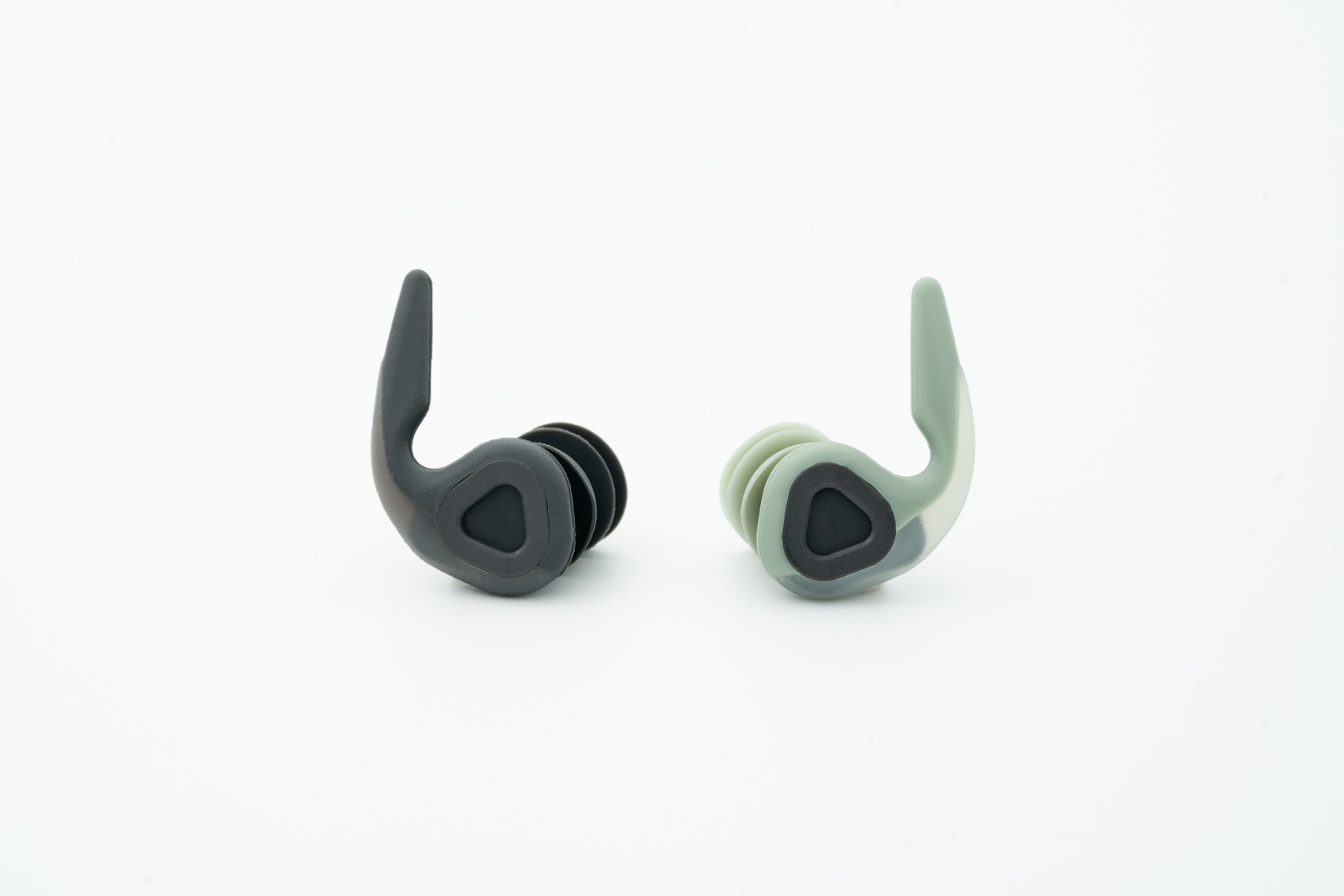
SurfEars 4.0 earplugs are designed to help keep water out without completely blocking sound.
They use a vented membrane that allows sound and pressure to pass while reducing the amount of water entering the ear canal.
This means you can continue to hear more of what is happening around you while giving your ears an extra layer of protection.
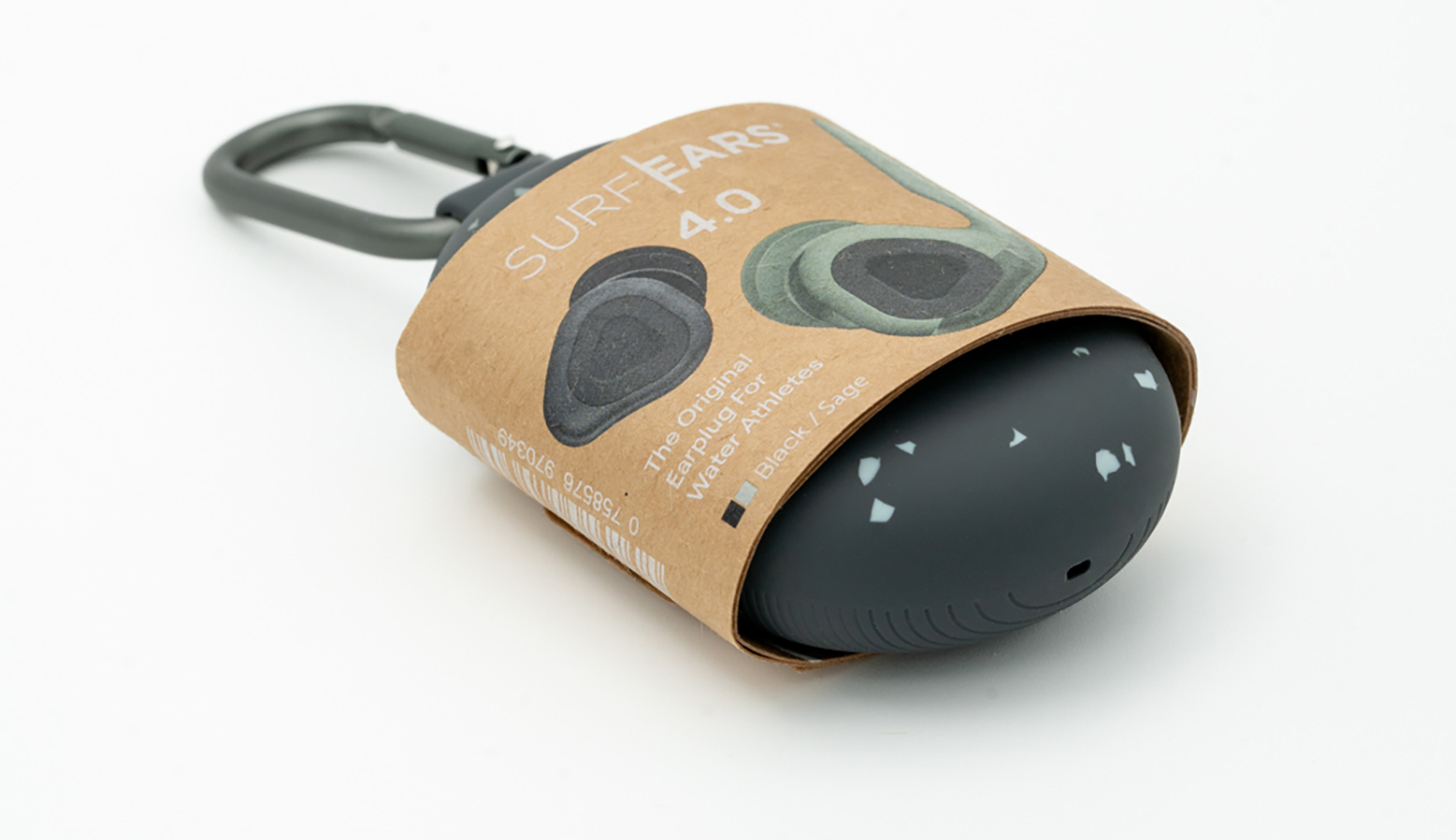
They are designed for activities including:
- Surfing.
- Open-water swimming.
- Paddleboarding.
- Kayaking.
- Windsurfing.
- Kitesurfing.
- Sailing.
- General swimming.
A Secure, Adaptable Fit
Ears come in many shapes and sizes, and the fit of an earplug matters.
SurfEars 4.0 includes a choice of gels and wings so the fit can be adjusted to suit different ears.
The wings help keep the plugs secure during movement, while the detachable leash adds reassurance in rougher water.
A secure fit is important because even the best water earplug cannot provide effective protection if it is loose, incorrectly positioned or falls out.
It is worth trying the different sizes at home before heading into the water.
Can You Still Hear While Wearing Them?
No earplug can keep out water while making absolutely no difference to sound.
However, SurfEars is designed to allow much more sound through than a completely sealed conventional plug.
For many water-sports users, this balance is important. They want to protect their ears but still need awareness of waves, people, instructors and their surroundings.
This makes SurfEars particularly suitable for those who previously avoided earplugs because they disliked feeling isolated.
Other Ways to Look After Your Ears
Alongside wearing suitable water earplugs, you can also:
- Dry the outside of your ears gently after swimming.
- Allow trapped water to drain naturally.
- Avoid pushing cotton buds or other objects into the ear canal.
- Avoid scratching itchy ears.
- Wear a swimming cap, hood or headband in cold conditions.
- Seek advice if you develop pain, discharge or persistent blockage.
- Have recurring ear infections properly assessed.
- Ask a hearing or medical professional about ongoing changes in hearing.
If you already have a perforated eardrum, grommets, recent ear surgery or an active infection, seek professional advice before swimming or inserting earplugs.
Do Not Wait for Symptoms
Surfer’s ear can develop quietly over time.
You may feel perfectly well for years while the ear canal gradually narrows. Once repeated blockage or infection begins, the condition may already be well established.
Making ear protection part of your routine early is one of the simplest steps you can take.
Keep your SurfEars with your wetsuit or goggles so they become part of your normal kit rather than something you remember after arriving at the beach.
Keep Enjoying the Water
Swimming, surfing and water sports offer enormous physical and mental benefits.
Protecting your ears does not need to interfere with that experience.
SurfEars 4.0 provides a practical option for people who want to reduce water entering their ears while remaining connected to their surroundings.
A small change to your routine today may help you enjoy many more comfortable years in the water.
Explore SurfEars 4.0 at Zova Sound Solutions and make ear protection part of your essential water-sports kit.