Why Can I Hear People Talking But Not Understand What They're Saying?
Discover why hearing speech clearly can be difficult in noise, groups and meetings, and how Zova’s assistive listening technology can help.

Many people describe the frustrating experience of being able to hear sounds around them perfectly well, yet still struggle to understand what people are saying. You may find yourself asking others to repeat themselves, mishearing words or feeling exhausted after social situations, despite being able to hear that someone is speaking.
This problem affects millions of people and is not always caused by hearing loss. Difficulties understanding speech can be associated with age-related hearing changes, auditory processing difficulties, ADHD, autism, listening fatigue and challenging environments with background noise.
Fortunately, understanding speech and simply hearing sounds are two very different things, and modern technology can often help bridge that gap.
Hearing And Understanding Are Not The Same Thing
People often assume that hearing loss is simply a matter of volume. In reality, hearing involves far more than making sounds louder.
Our ears collect sound, but it is our brain that interprets and processes speech. Even when sounds are loud enough, background noise, distance and competing voices can make understanding difficult.
Many people who experience these challenges say:
- "Everyone seems to mumble."
- "I can hear them talking but I can't make out the words."
- "I hear better one-to-one than in groups."
- "Restaurants are impossible."
- "I'm exhausted after conversations."
- "My hearing aids help, but I still struggle."
These experiences are incredibly common and can affect people with and without diagnosed hearing loss.
Situations You May Recognise
Family Gatherings
When several people are speaking at once, conversations can become difficult to follow. You may miss punchlines, lose track of topics or simply give up trying to keep up.
Restaurants And Cafés
Background conversations, music and reverberation make restaurants one of the most difficult listening environments. Many people avoid social occasions altogether because listening becomes too much effort.
Following discussions in boardrooms, training sessions and open-plan offices can be exhausting. Missing important details may affect confidence and productivity.
Video Calls
Speech can sound distorted or unclear on Teams and Zoom calls, particularly when multiple people contribute to the conversation.
Church Services And Community Groups
Distance from the speaker and room acoustics often reduce speech clarity.
Why Does This Happen?
Speech becomes more difficult to understand because of three main factors:
Background Noise
Competing sounds make it harder for the brain to separate speech from surrounding noise.
Distance
The further speech travels, the weaker and less clear it becomes.
Reverberation
Large rooms and hard surfaces cause echoes which reduce speech clarity.
Even the most advanced hearing aids cannot completely eliminate these challenges because their microphones remain on the ears, some distance from the person speaking.
Bringing Speech Closer Can Make A Huge Difference
Research consistently shows that reducing the distance between the speaker and the listener is one of the most effective ways of improving speech understanding.
Rather than trying to hear somebody across a room, specialist microphone technology captures speech close to the speaker and delivers it directly to the listener.
This reduces the effects of noise and distance and can dramatically improve listening comfort.
Solutions For Hearing Aid Users
One of the most versatile listening devices available, Roger On V3 can be used in a variety of situations including:
- Restaurants.
- Meetings.
- Lectures.
- Car journeys.
- One-to-one conversations.
- Church services.
It automatically adapts to different environments and streams speech directly to compatible hearing aids, helping users understand conversations with less effort.
Suitable for:
- Hearing loss.
- Background noise difficulties.
- Social situations.
- Work meetings.
For group discussions, Roger Table Mic II automatically detects who is speaking and prioritises their voice.
This makes it particularly useful for:
- Board meetings.
- Family meals.
- Restaurants.
- Community groups.
- Training sessions.
Several microphones can be linked together to provide coverage around larger tables.
For one-to-one conversations, PartnerMic is a discreet microphone worn by a spouse, friend or companion.
It can help during:
- Shopping trips.
- Walking outdoors.
- Car journeys.
- Conversations at home.
Solutions For People Without Hearing Aids
Not everyone who struggles to understand speech has hearing loss. Difficulties with background noise, listening fatigue and concentration can affect people with ADHD, auditory processing disorder (APD), autism and sensory processing differences, even when hearing tests are normal.
One of the most effective ways to improve access to speech is to reduce the effects of distance and background noise by bringing the speaker's voice closer to the listener.
The Phonak Roger On V3 and Roger Focus system is designed to help make speech clearer and easier to follow in challenging listening environments. Roger On captures the speaker's voice and transmits it directly to the lightweight Roger Focus receivers, helping the wearer concentrate on the voice that matters while reducing the impact of surrounding noise.
Many users find that this approach reduces listening effort and improves their ability to participate in conversations, meetings and learning environments with greater confidence.
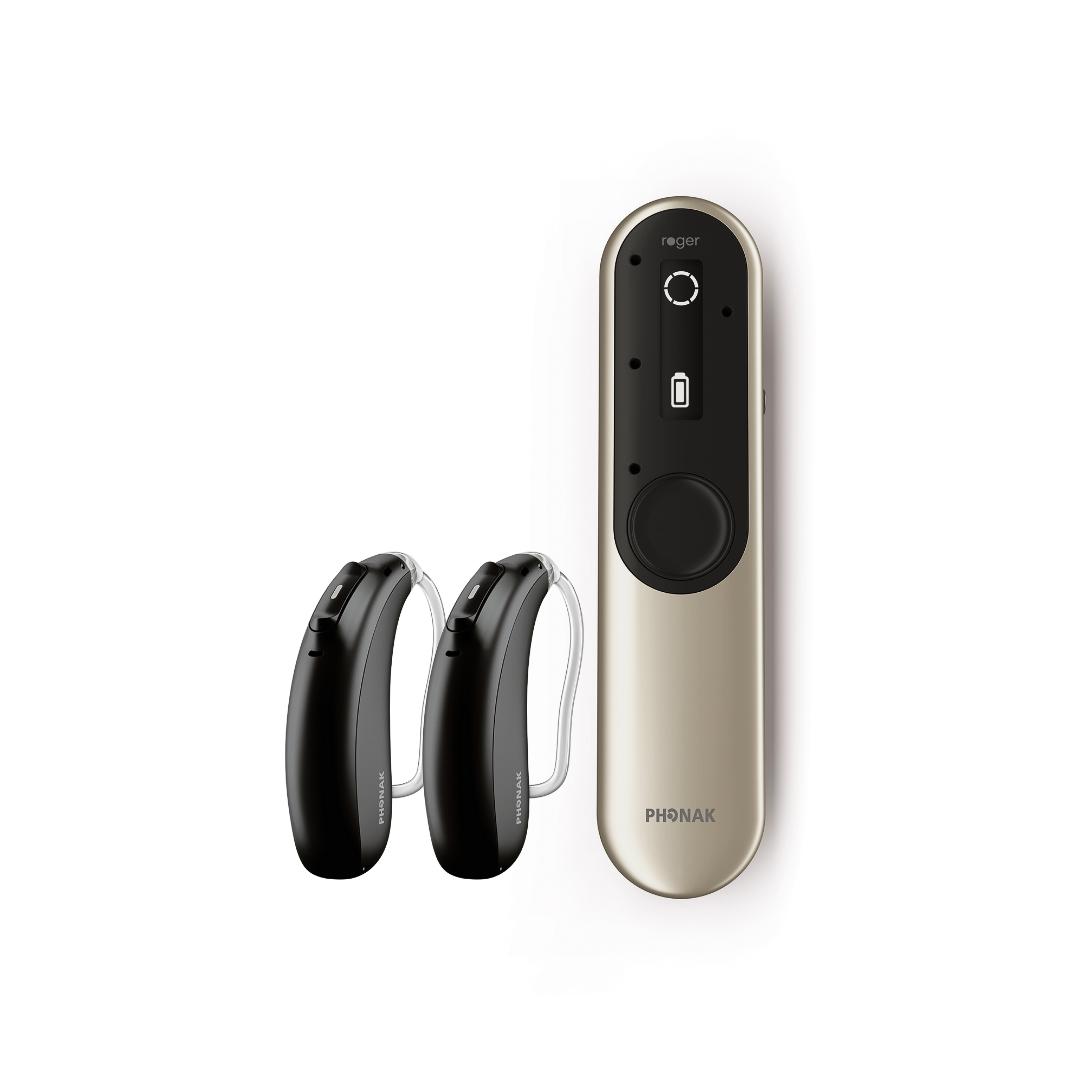
This combination may be particularly beneficial for:
- Adults with ADHD.
- Individuals with auditory processing disorder (APD).
- People experiencing listening fatigue.
- University and college students.
- Workplace meetings and training courses.
- Group discussions and social situations.
By improving access to speech, the Roger Focus and Roger On system can help make communication less tiring and allow individuals to focus more of their energy on understanding and participating, rather than simply trying to hear.
Other Technologies That May Help
An excellent option for hearing aid users who use compatible ReSound devices. It can function as a table microphone, clip-on microphone and telecoil receiver.
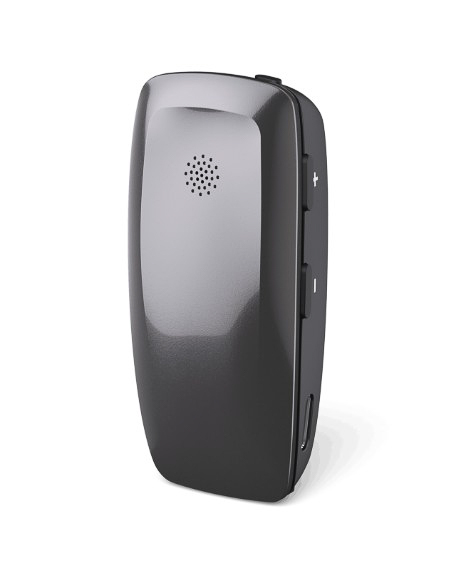
Provides flexibility for both one-to-one and group listening situations and can also be used for hands-free calls.
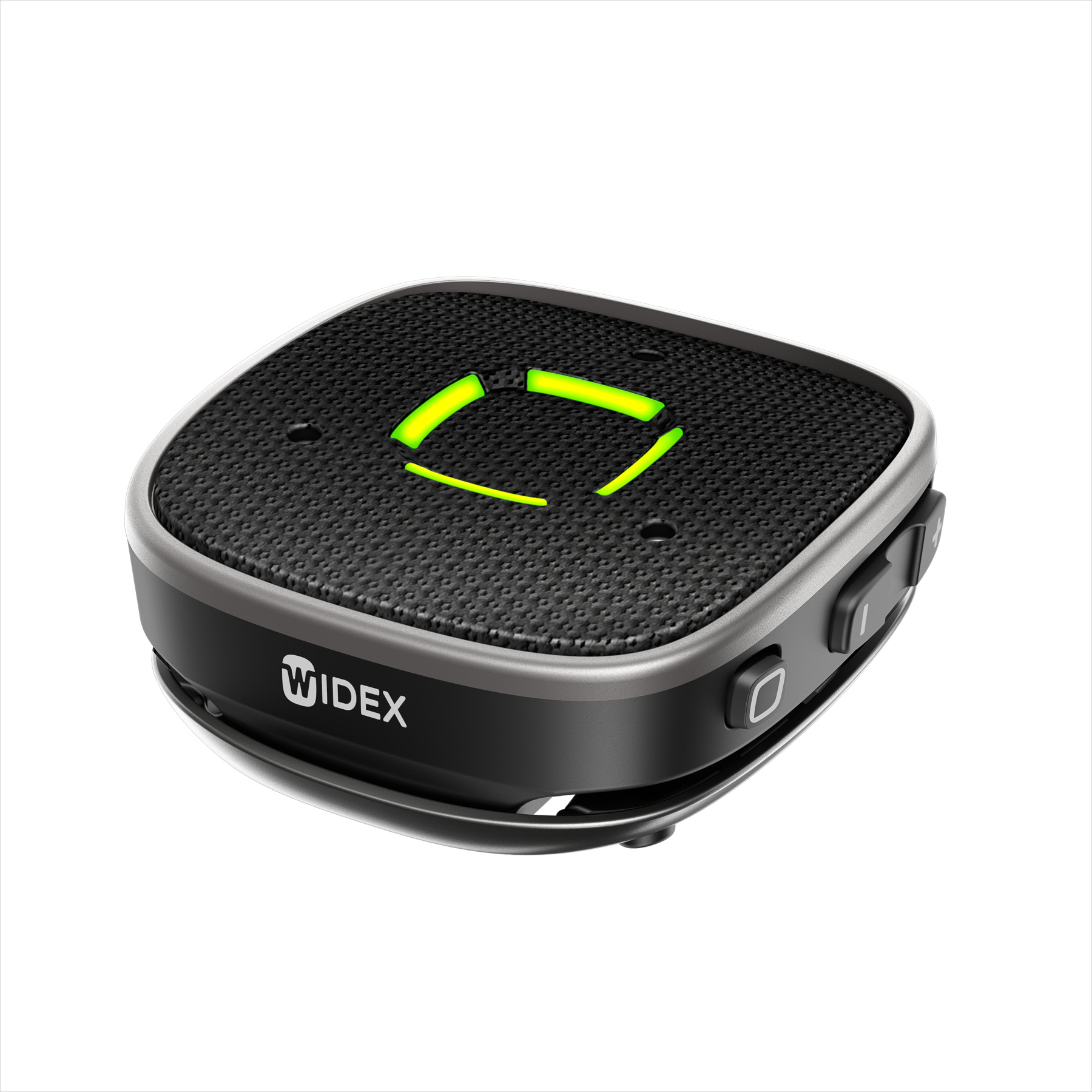
For larger classrooms, training rooms and conferences, soundfield systems distribute speech evenly throughout the room, helping everyone hear more clearly and reducing listening effort.
Small Changes Can Also Help
Technology is only part of the solution. Many people benefit from simple changes such as:
- Choosing quieter restaurants.
- Sitting with their back to a wall.
- Maintaining eye contact.
- Reducing background music.
- Asking others to speak clearly rather than louder.
- Positioning themselves closer to the main speaker.
You Don't Have To Just Put Up With It
Struggling to understand speech is one of the most common communication difficulties experienced by adults and children alike. Whether you wear hearing aids, have normal hearing or experience listening fatigue for other reasons, there are solutions available that can make conversations easier and more enjoyable.
Improving speech understanding isn't always about making sounds louder. Sometimes it's simply about making the voices that matter easier to hear.