Why Is Background Noise So Exhausting?
Why do conversations in noisy places feel exhausting? Learn about listening fatigue, speech understanding challenges and technologies that can help.
Why Can Listening Feel So Tiring?
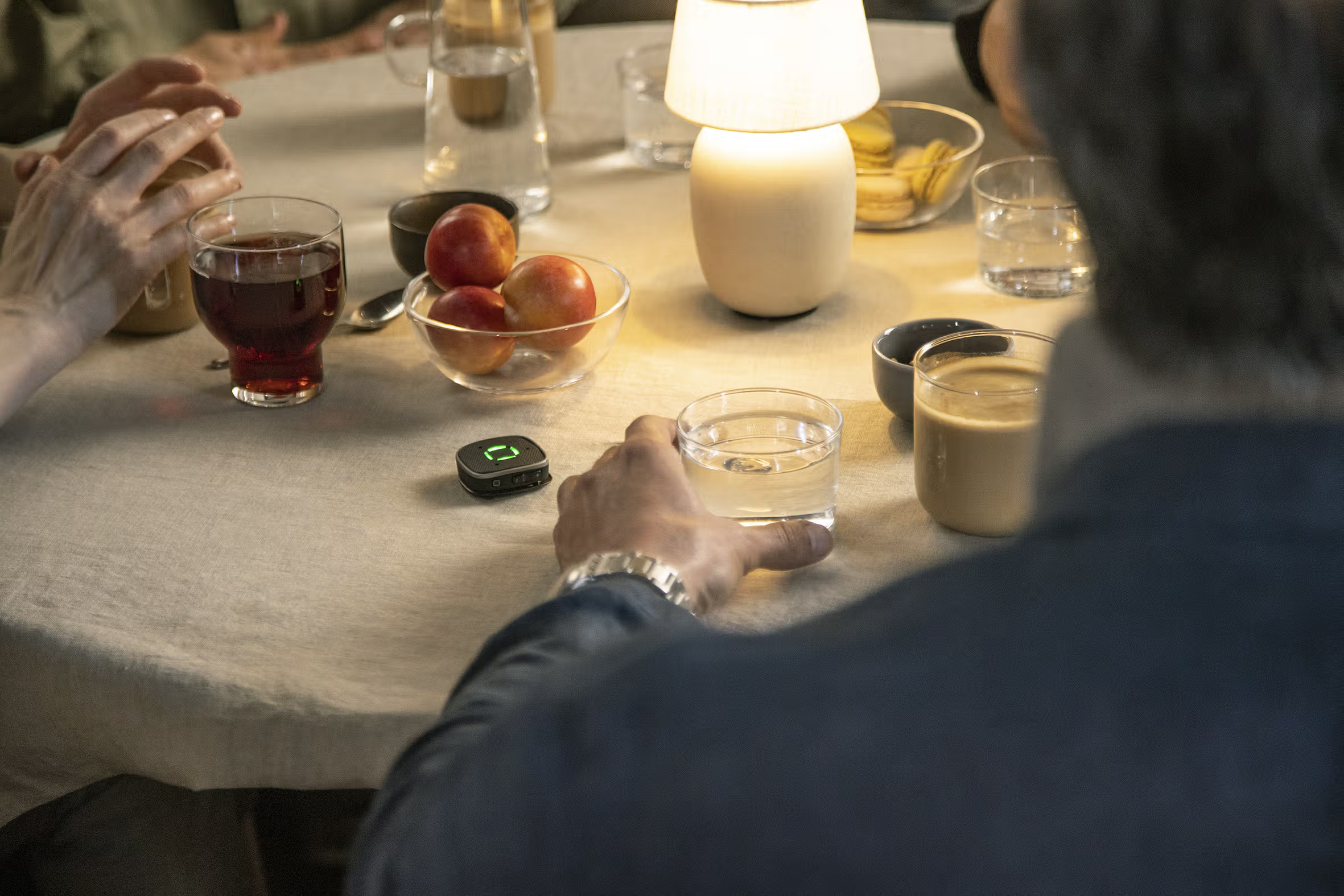
Have you ever returned home from a meal out, family gathering or meeting feeling completely drained, even though you haven't done anything physically demanding?
Many people describe feeling mentally exhausted after trying to follow conversations in noisy environments. They may struggle to understand speech in restaurants, coffee shops, busy offices or social events and find themselves needing time alone afterwards to recover.
Listening should not feel like hard work, yet for millions of people it does.
Hearing Is A Cognitive Process
We often think of hearing as something that happens in the ears, but understanding speech is actually a complex task involving the brain.
Your brain constantly works to:
- Identify the voice you want to hear.
- Ignore unwanted sounds.
- Fill in missing words.
- Predict sentences.
- Process accents and different voices.
In quiet surroundings this happens effortlessly. In noisy environments, however, the brain has to work much harder.
This increased effort is often referred to as listening fatigue.
Why Does Background Noise Cause Problems?
Three factors make understanding speech particularly difficult:
Distance
Speech becomes weaker and less distinct the further it travels.
Competing Noise
Conversations, music and environmental sounds all compete for attention.
Reverberation
Hard surfaces and large spaces create echoes that blur speech and reduce clarity.
These factors affect everyone to some degree but are often more noticeable in people with:
- Hearing loss.
- Auditory processing difficulties.
- ADHD.
- Autism.
- Sensory processing differences.
- Age-related changes in hearing.
Signs You May Recognise
- Conversations leave you exhausted.
- Restaurants feel overwhelming.
- Everyone seems to mumble.
- You avoid social occasions.
- You prefer one-to-one conversations.
- You hear better in quiet surroundings.
- You feel mentally drained after meetings.
Why Making Things Louder Isn't Always The Answer
Increasing volume alone doesn't necessarily improve clarity.
In fact, simply making everything louder can also amplify the noise you are trying to escape.
One of the most effective ways to improve speech understanding is to bring the microphone closer to the speaker.
Technology That Can Help
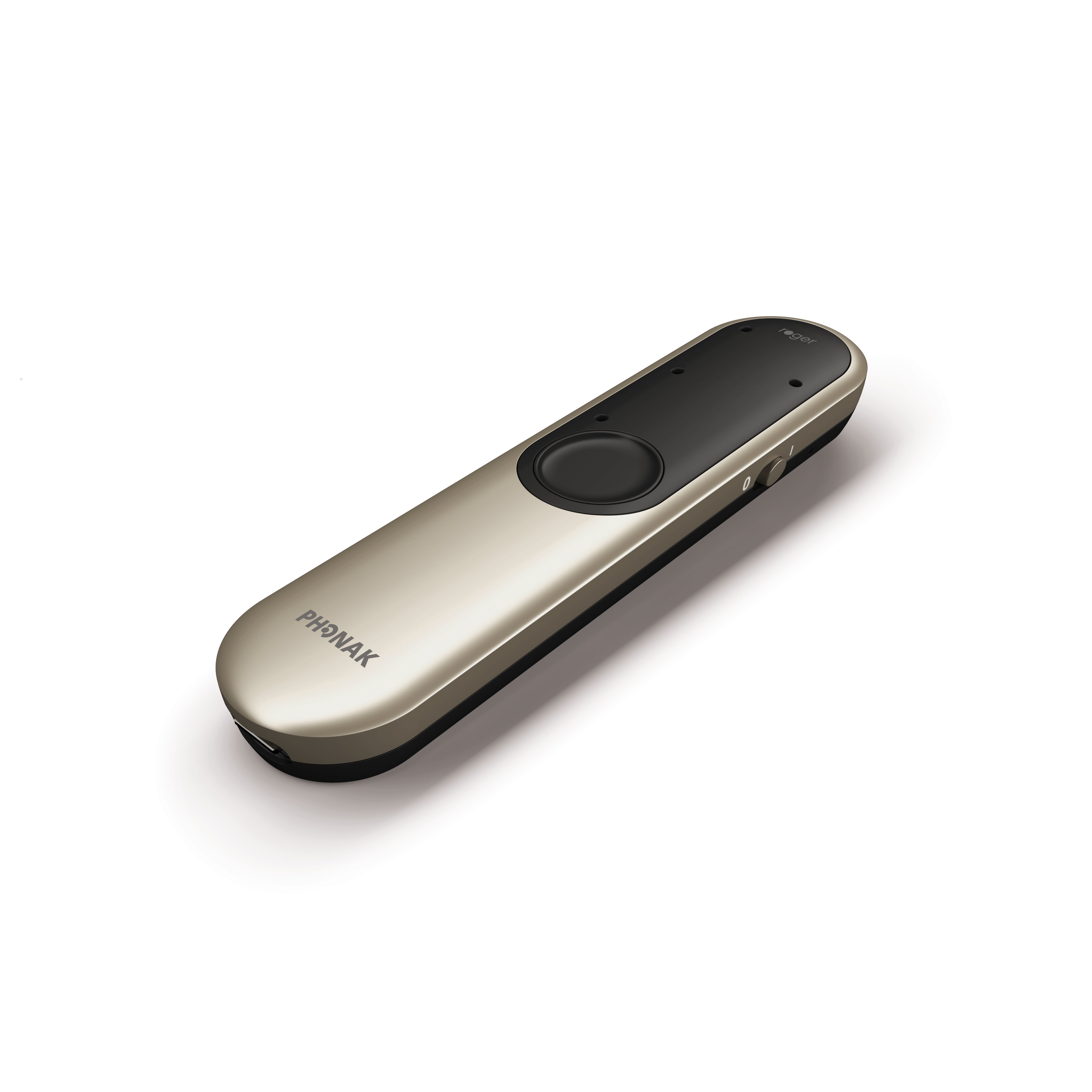
Roger On captures speech close to the speaker and transmits it directly to compatible hearing aids or Roger receivers.
It adapts automatically to changing environments and is suitable for:
- Restaurants.
- Meetings.
- Lectures.
- Car journeys.
- Social gatherings.
- Church services.
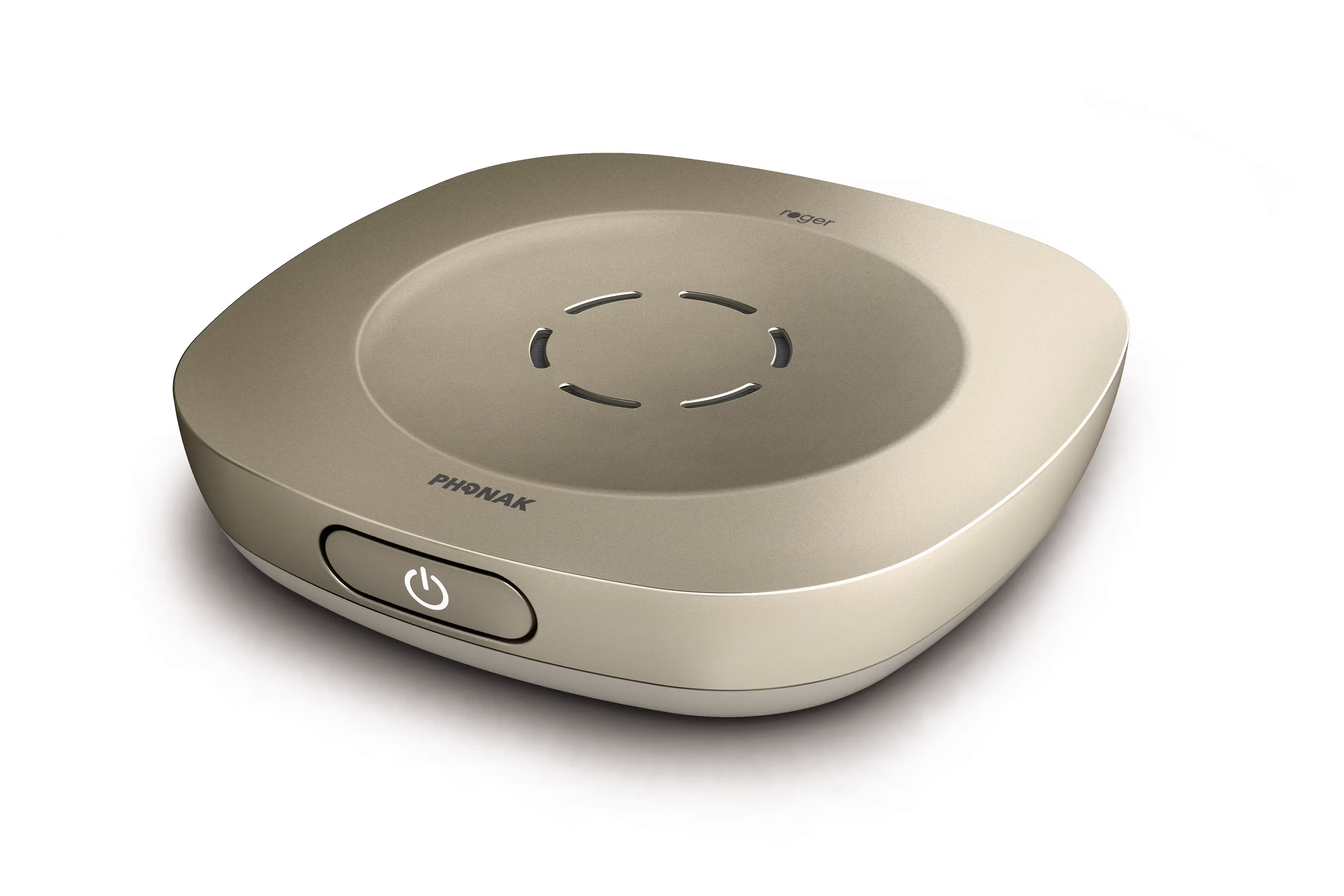
For group conversations and larger meetings, Roger Table Mic II automatically detects who is speaking and prioritises their voice.
Ideal for:
- Family meals.
- Community groups.
- Board meetings.
- Training courses.
- Restaurants.
Solutions For People Without Hearing Aids

Not everyone who struggles in noisy environments has hearing loss. In fact, many people with perfectly normal hearing tests still experience listening fatigue, difficulty following conversations and challenges understanding speech in busy environments.
Adults with auditory processing difficulties, ADHD, autism, sensory processing differences and even those experiencing age-related changes in speech understanding may find that background noise makes conversations far more tiring than they used to be.
Situational Support Without Traditional Hearing Aids
For people who do not wear hearing aids, several technologies are available to help improve access to speech and reduce listening effort.
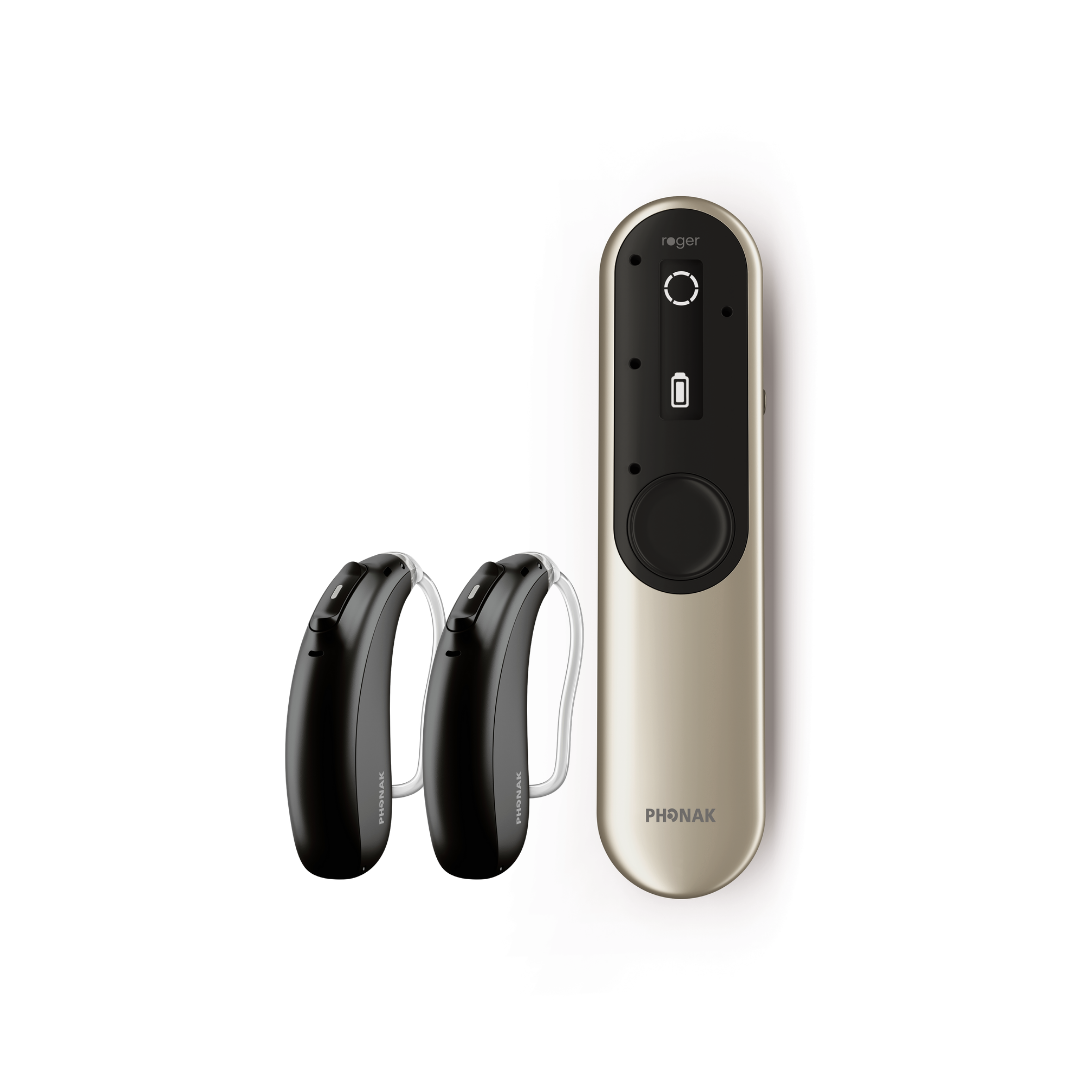
For individuals who experience significant difficulty understanding speech in noise, the combination of Roger On V3 and Roger Focus can provide a powerful solution. By capturing speech close to the speaker and reducing the impact of background noise, this system helps make conversations easier to follow and can reduce the mental effort required to listen.
It may be particularly beneficial for:
- Adults with auditory processing disorder (APD).
- Individuals with ADHD.
- People experiencing listening fatigue.
- University students.
- Workplace professionals.
- Anyone who struggles to follow conversations in challenging environments.
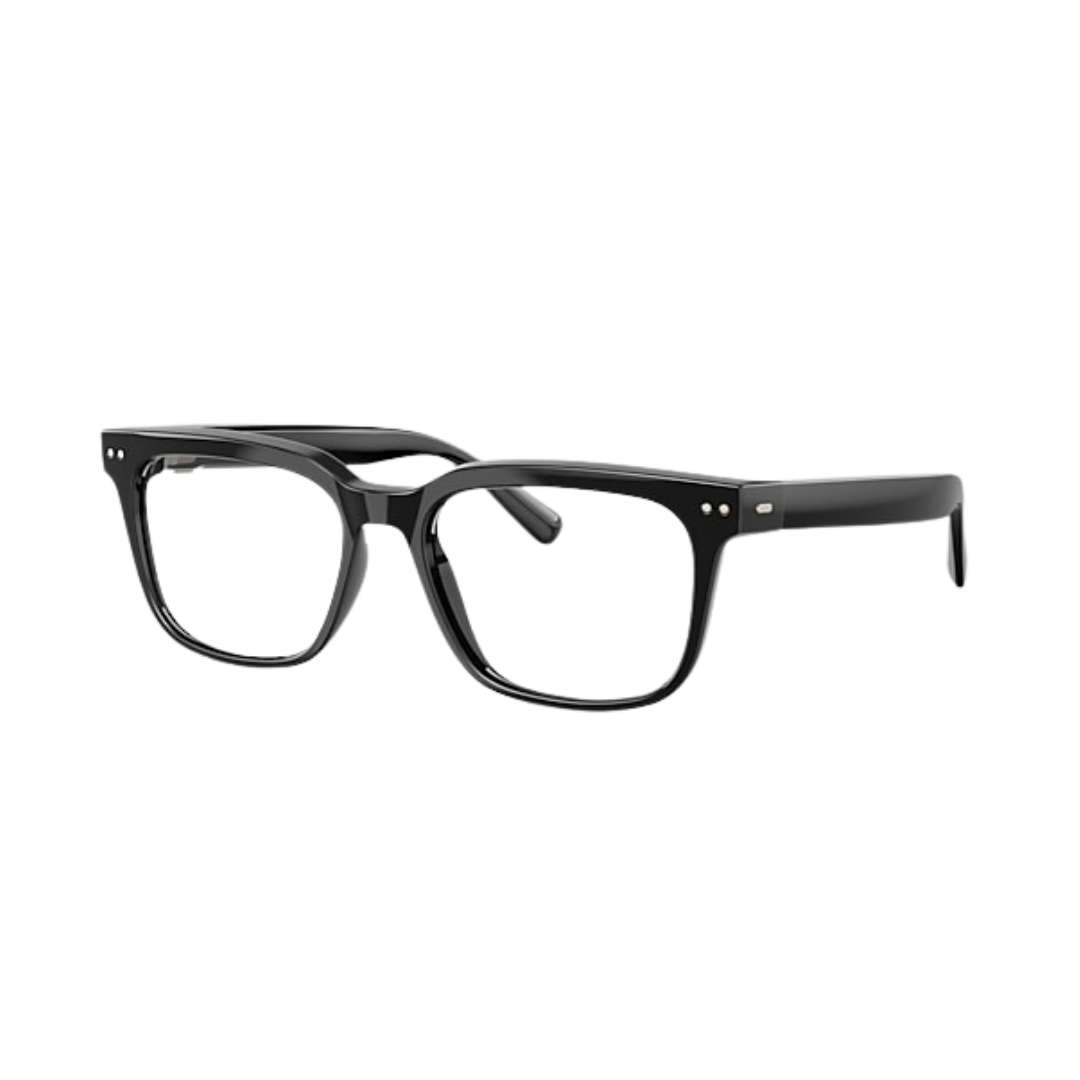
For those looking for a more discreet and situational solution, Nuance Audio Eyewear offers an innovative alternative. Combining stylish eyewear with advanced directional microphones and open-ear speakers, the glasses are designed to enhance speech in noisy environments without the appearance or commitment of traditional hearing aids.
Many users find them particularly useful for:
- Restaurants and cafés.
- Family gatherings.
- Meetings and conferences.
- Social events.
- Everyday conversations.
- Situations where hearing is generally good, but speech clarity becomes difficult.
Unlike conventional hearing aids, Nuance Audio Eyewear is intended to provide support when and where it is needed most, making it an appealing option for people who want occasional assistance without wearing dedicated hearing devices.
Hearing Difficulties Are Not Always About Hearing Loss
Feeling exhausted after conversations or struggling in noisy environments does not necessarily mean something is "wrong" with your hearing.
For many people, the challenge lies not in hearing sound, but in separating the voices they want to hear from everything else going on around them.
Whether you wear hearing aids, have auditory processing difficulties or simply find yourself becoming more fatigued in noisy environments than you used to, modern technology can help make conversations clearer and less demanding, allowing you to participate with greater confidence and enjoy the moments that matter most.
Small Changes Can Make A Big Difference
Alongside technology, these strategies may help:
- Choose quieter environments.
- Sit with your back against a wall.
- Reduce competing background noise.
- Position yourself closer to the main speaker.
- Take listening breaks when needed.
You Are Not Imagining It
Listening fatigue is real. Whether you have hearing loss or not, struggling in noisy environments is incredibly common.
Fortunately, modern speech enhancement technology can help reduce listening effort and allow you to participate in conversations with greater confidence and less exhaustion.