Why Do I Struggle to Hear Conversations in Background Noise?
Why conversations become harder to follow in background noise, plus practical strategies and technology that can help.
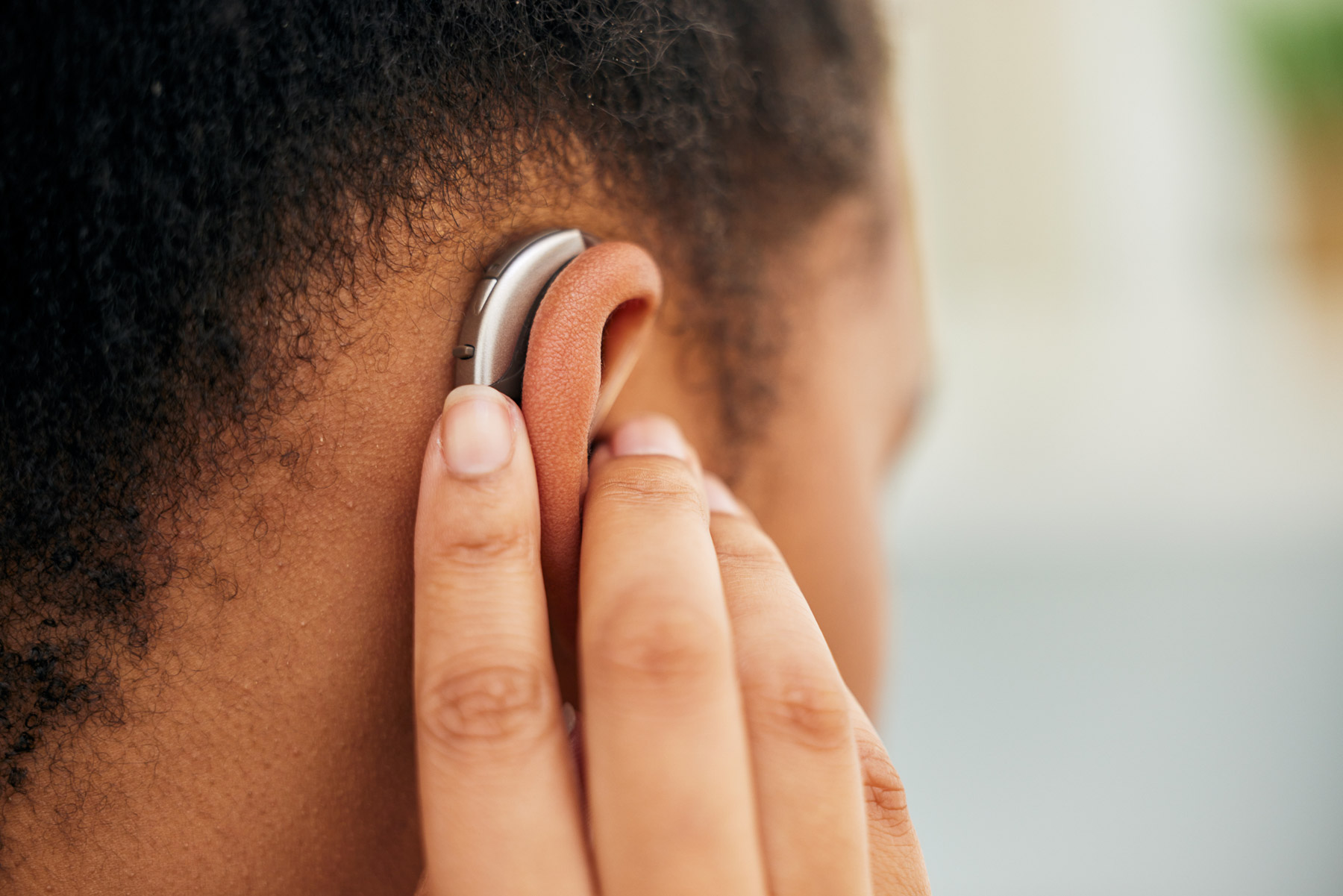
You can hear perfectly well in a quiet room. Then you walk into a busy restaurant, family gathering or meeting and suddenly following a conversation becomes much harder.
You can hear people talking, but individual words seem to disappear amongst the surrounding noise. You may find yourself asking people to repeat themselves, watching their faces for clues or simply smiling and nodding when you have missed part of the conversation.
If this sounds familiar, you are certainly not alone.
Understanding speech in background noise is one of the most demanding listening tasks we encounter, and difficulties can affect people both with and without diagnosed hearing loss.
Why Is Speech So Much Harder to Understand in Noise?
When someone speaks to you in a quiet room, their voice is usually the dominant sound reaching your ears.
Move that same conversation into a busy café and your auditory system suddenly has much more work to do.
It may have to contend with:
- Other people talking
- Music
- Cutlery and crockery
- Coffee machines
- Traffic
- Air conditioning
- Chairs moving
- Sounds reflecting from walls and floors
Your ears don't simply receive the voice you want to hear. They receive all of these sounds together.
Your brain then has the difficult job of identifying the person you want to listen to and separating their speech from everything else.
It's About More Than Volume
A useful concept for understanding this is the signal-to-noise ratio.
The "signal" is the sound you want to hear, usually someone's voice.
The "noise" is everything competing with it.
If somebody is sitting close to you in a quiet room, their voice is significantly clearer than the surrounding sound. Understanding them is relatively easy.
If they're sitting across a large table in a noisy restaurant, their voice may arrive at your ears at a level much closer to the surrounding noise.
The problem isn't necessarily that you can't hear them.
It's that their voice isn't sufficiently distinct from everything else.
If you can hear that someone is speaking but struggle to make out exactly what they are saying, you can read more about why this happens in our guide to hearing speech but not understanding the words.
That's why simply making everything louder doesn't necessarily solve the problem.
Why Restaurants Are Particularly Difficult
Restaurants combine several listening challenges at once.
There may be dozens of simultaneous conversations, music playing and sounds coming from the kitchen.
Modern restaurants can also contain large areas of glass, hard flooring, bare walls and high ceilings. Sound reflects from these surfaces, creating reverberation that can further reduce speech clarity.
Then there's distance.
Someone sitting opposite you may only be a metre or two away, but their voice becomes less prominent by the time it reaches you while all the surrounding noise remains.
This combination can turn an enjoyable meal into an exhausting listening exercise.
This constant effort can also contribute to listening fatigue. Find out more about why background noise can be so exhausting and what you can do to reduce the strain.
Why Can Other People Seem to Cope Better?
Our ability to understand speech amongst competing sounds varies considerably.
Hearing loss is one possible reason for difficulty, particularly when hearing changes affect frequencies that carry important speech information.
But hearing loss isn't the only explanation.
Some people experience considerable difficulty understanding speech in noise despite a conventional hearing test showing hearing thresholds within the normal range.
Listening challenges can also be associated with auditory processing difficulties and neurodiversity, attention, age-related changes and other differences in how auditory information is processed.
This is why two people sitting at the same restaurant table can experience the listening environment very differently.
Could It Be Hearing Loss?
Difficulty understanding conversation in background noise can be an early sign that your hearing has changed.
You might notice that:
- People increasingly seem to mumble
- You frequently ask people to repeat themselves
- Television dialogue is becoming harder to follow
- Group conversations are more difficult
- You hear better when looking directly at someone
- Restaurants have become noticeably harder
- You feel more tired after social situations
If you've noticed a change in your hearing, having an appropriate hearing assessment is a sensible first step.
However, some people discover that their hearing thresholds are relatively good and yet their real-world listening difficulties remain.
A conventional hearing test measures important aspects of hearing, but listening to quiet tones through headphones is very different from trying to follow a conversation in a crowded restaurant.
What If I Already Wear Hearing Aids?
Modern hearing aids can provide significant help in noisy environments.
Features such as directional microphones, noise reduction and sophisticated sound processing can help prioritise speech and manage competing sound.
But hearing aids still have an important limitation: their microphones are positioned on your ears rather than next to the person you want to hear.
When the person speaking is several metres away, their voice has already travelled through the noisy room before reaching your hearing aids.
For some particularly challenging situations, changing where the microphone is positioned can therefore make a substantial difference.
Bringing the Microphone to the Speaker
This is where remote microphone technology can help.
Instead of relying entirely on microphones positioned at your ears, a small wireless microphone can be placed much closer to the person speaking.
The microphone captures their voice at source and transmits the audio to a compatible hearing device or receiver.
In effect, rather than trying to make sense of a voice after it has travelled across a noisy room, the technology brings that voice closer to you.
Remote microphones can be particularly useful for:
- Restaurants
- Meetings
- Lectures
- Family gatherings
- Training courses
- Car journeys
- Group discussions
- Conversations over distance
Systems such as Phonak Roger are designed specifically to improve access to speech where background noise and distance make conventional listening difficult.
What If I Don't Wear Hearing Aids?
Assistive listening technology isn't necessarily limited to hearing aid users.
Some people have good hearing thresholds but still find speech in noise extremely difficult to process.
Depending on the individual and their listening needs, specialist listening systems can capture a speaker's voice and deliver it through dedicated receivers or other listening devices rather than conventional hearing aids.
This can be relevant for people experiencing auditory processing difficulties, listening fatigue or other challenges understanding speech in complex environments.
The important thing is to find a solution appropriate to the individual rather than assuming that making everything louder is the answer.
Simple Ways to Make Noisy Conversations Easier
Technology isn't the only option.
A few changes to your environment can sometimes make a noticeable difference.
Choose your seat carefully
Try sitting with a wall behind you rather than in the middle of a busy room. This can reduce some of the competing sound coming from behind.
Get closer
Reducing the distance between you and the person speaking improves the level of their voice relative to surrounding noise.
Look at the person speaking
Facial expressions and lip movements provide valuable additional information when speech is difficult to hear.
Choose quieter times
Restaurants and cafés can be considerably easier outside peak periods.
Reduce unnecessary noise
At home or work, turning off background television, radio or music can make conversations much easier.
Ask for clarity rather than volume
Speaking clearly, facing the listener and avoiding talking from another room can often be more helpful than simply shouting.
You Don't Have to Avoid Noisy Places
When following conversation becomes difficult, it's easy to start avoiding restaurants, meetings, parties and other situations that require a lot of listening.
But struggling in background noise doesn't necessarily mean you have to accept missing conversations.
The first step is understanding why listening is difficult for you.
For some people that means having their hearing assessed. For others, it means exploring strategies or technology designed specifically to improve speech access in challenging environments.
At Zova Sound Solutions, we specialise in assistive listening technology for people who find that background noise, distance or poor acoustics get in the way of communication.
Whether you wear hearing aids or simply find certain listening situations difficult, we can help you explore the options available.
Struggling to hear where it matters most? Explore Zova's Assistive Listening Systems & Devices or contact our team for help finding a solution for your listening needs.
Frequently Asked Questions
Why can I hear perfectly well in quiet but not in background noise?
Listening in noise requires your auditory system to separate the voice you want to hear from competing sounds. Hearing loss can make this more difficult, but some people experience speech-in-noise difficulties even when a conventional hearing test is within the normal range.
Does struggling in background noise mean I have hearing loss?
Not necessarily. It can be associated with hearing loss, so a hearing assessment may be appropriate, but auditory processing, attention, age-related changes and the listening environment can also influence speech understanding.
Why doesn't turning the volume up help?
Increasing volume doesn't necessarily improve the difference between the voice you want and surrounding noise. Speech understanding often depends on making the target voice clearer relative to competing sound.
Can hearing aids remove background noise completely?
Modern hearing aids use sophisticated technology to manage noise and prioritise speech, but no hearing aid can remove every unwanted sound in every environment.
What is a remote microphone?
A remote microphone is positioned closer to the person speaking and sends their voice to a compatible hearing device or receiver. This helps reduce the effects of distance, background noise and poor room acoustics.